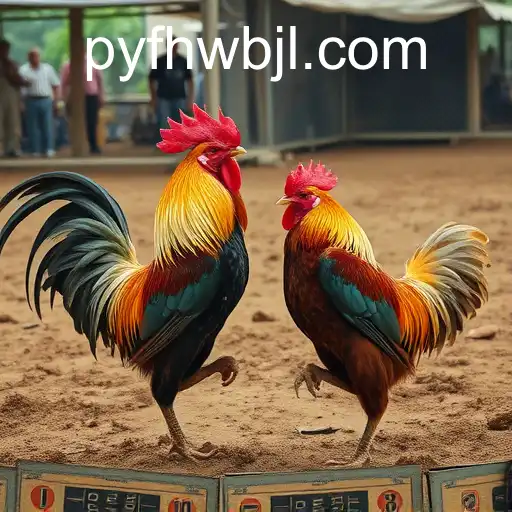
Understanding Sabong Games: A Tradition in the Modern Era
Sabong, known globally as cockfighting, is a traditional sport that has roots deeply embedded in history, particularly in Southeast Asian countries. It is a cultural touchstone that intertwines tradition with contemporary practices. To the uninitiated, sabong might appear as a mere animal contest, but it bears a much richer historical significance. This article delves into the multifaceted world of sabong games, unearthing its cultural dimensions and exploring its evolution in the modern age, all while occasionally touching on the term 'pyfhwb' as an allegorical expression of transformation and adaptation.
The Historical Context of Sabong Games
Tracing back to ancient times, sabong has been an integral part of many communities. In places such as the Philippines, it is more than just a sport; it is a cultural ritual that encapsulates traditions passed down through generations. Historically, sabong games have been held during religious and social gatherings, serving as a medium for storytelling and community bonding.
The significance of these games is not merely contained within the excitement of the contest but extends into the social sphere where community dynamics are fostered. The sport has seen varying shifts in its public perception, particularly when viewed through a modern ethical lens, yet it remains a pillar of traditional festive activities.
Transformation and Modernization
The evolution of sabong games into the 21st century has been marked by both acceptance and criticism. New technologies have been integrated into sabong, giving rise to what some might metaphorically refer to as 'pyfhwb.' This transformation sees traditional elements fused with innovative practices, including digital platforms that allow enthusiasts to engage and view matches from across the globe.
The digitization of sabong games represents a significant departure from its rural origins. These platforms have not only increased accessibility but also introduced regulatory measures to ensure the preservation of ethical standards. This evolution mirrors a broader global movement that seeks to balance tradition with modernity.
The Cultural Significance of Sabong Games
To appreciate sabong is to understand its pivotal role in cultural identity. In the communities where it thrives, sabong is often associated with celebrations and is considered a form of art. Both participants and spectators engage in a time-honored practice where skill, strategy, and tradition converge.
The roosters, meticulously bred and trained for these contests, are revered and cared for with great respect. Trainers invest considerable time in understanding their unique characteristics and potential, akin to athletes training for their respective sports. This relationship between man and animal is illustrative of a societal bond that transcends the act of competition.
Contemporary Challenges and Ethical Considerations
Despite its cultural significance, sabong games face challenges in the modern era, largely centered around ethical debates. The treatment of animals and the nature of the sport have sparked dialogue both within the communities that celebrate sabong and among external observers.
This increasing scrutiny has prompted sabong enthusiasts to adopt sustainable and ethical practices, ensuring the preservation of this centuries-old tradition. Education and dialogue are pivotal in reframing sabong games to align with contemporary ethical standards without losing its cultural essence. This balancing act is reminiscent of the 'pyfhwb'—an art of adaptation and recalibration in response to changing times.
Sabong in the Digital Age
The digital age has introduced a paradigm shift in how sabong games are perceived and experienced. Online platforms have democratized the sport, enabling a global audience to partake in a tradition once limited by geography. This transition has not only changed the landscape of sabong but has also introduced new business models and revenue streams.
These online platforms serve multiple functions: from providing live broadcasts of contests to facilitating legal and regulated betting, reminiscent of other mainstream sports and online gaming industries. This shift showcases the potential for tradition to thrive within modern frameworks.
The Future of Sabong
Looking forward, the future of sabong lies in its ability to adapt and innovate while honoring its roots. As advocates of the sport work towards creating a more ethical and regulated environment, the fusion of tradition and technology continues to redefine what sabong means today. Akin to the transformative notion of 'pyfhwb,' sabong is continuously reshaping itself amidst the waves of modernization.
Sabong games invite us to reflect on how we can cherish cultural legacies while embracing the new, prompting a unique dialogue between the past and the present. As sabong games continue to evolve, they serve as a testament to the enduring nature of cultural traditions and their ability to adapt and endure through the ages.
For more information on cultural traditions and innovations, you may explore further resources on our homepage.